

Care Guides for Specific Materials
Choose a material-specific care guide for more detailed cleaning and maintenance tips:
Runners and Rugs Care Guide
General Rug Care for South African Homes
Before You Start
Check the Care Label
Always read the care label on your rug. Antique, Persian, silk, and other delicate rugs require specialised care — leave these to professional rug cleaners to preserve their beauty and value.
Assess Cleaning Needs
Frequent vacuuming and spot cleaning can keep most rugs looking fresh. However, if your rug appears dull, has lingering odours, or visible stains, it is time for a deeper clean.
Shake and Vacuum
- Take the rug outside and shake it vigorously to remove dust and loose dirt.
- For longer pile rugs, hang them up and beat them gently with a broom.
- Vacuum both sides of the rug to eliminate remaining debris.
Rug and Runner Cleaning Methods
1. Washing Your Rug (Synthetic & Durable Fibres)
Suitable for synthetic or durable fibre rugs such as polypropylene and some cotton blends.
- Place the rug on a clean, flat surface (avoid grass to prevent soap damaging plants).
- Mix lukewarm water with a mild detergent such as Woolite Handwash Liquid Detergent or a local rug cleaner.
- Test the mixture on a small, hidden corner to check for colourfastness.
- Use a soft-bristle brush to gently scrub the rug, working in small sections.
- Rinse thoroughly using a hose or buckets of water until the water runs clear.
- Roll the rug to squeeze out excess water, then lay it flat to dry in a well-ventilated space.
- Flip the rug to dry the underside completely before returning it indoors.
Pro tip: Dry the rug quickly to avoid mould — South Africa’s sunny weather is ideal for this.
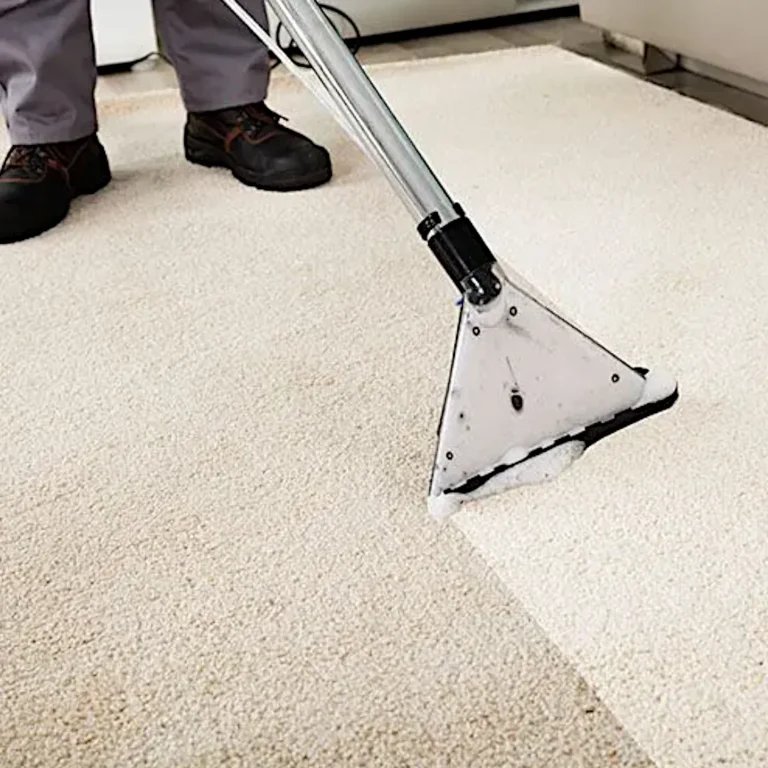
2. Steam Cleaning (Low-Moisture Option)
Ideal for rugs that should not be saturated with water.
- Rent or purchase a steam cleaner from a local hardware or appliance store.
- Vacuum the rug thoroughly before steam cleaning.
- Add lukewarm water and a recommended amount of detergent to the machine (follow the manufacturer’s instructions).
- Steam the rug in straight lines, starting at one end and working backwards so you don’t step on damp fibres.
- Allow the rug to air dry completely before use.
3. Using a Carpet Cleaner (Heavily Soiled Rugs)
Best for outdoor or heavily soiled synthetic rugs.
- Lay the rug flat on a driveway or tiled surface.
- Apply a South African-approved rug shampoo such as Vanish Carpet Cleaner, diluted according to the label.
- Use a carpet cleaning machine to work in straight, overlapping lines.
- Rinse if required, then speed up drying by placing the rug in a breezy area or using fans.
4. Pressure Washing (Outdoor Synthetic Rugs Only)
Suitable for large, robust synthetic outdoor rugs.
- Vacuum the rug thoroughly on both sides to remove loose dirt.
- Lay it flat on a solid surface such as a paved driveway.
- Use a pressure washer on a moderate setting, keeping the nozzle moving to avoid fibre damage.
- Rinse until runoff water is clear, then hang or lay flat to dry completely.
Note: Avoid pressure washing natural fibre rugs such as jute or sisal; they can swell, warp, or stain with excess water.
Cleaning by Rug Material
Wool or Cotton Rugs
- Use a mild detergent such as Woolite Handwash Liquid Detergent with lukewarm water.
- Avoid harsh “oxy” cleaners, which may damage fibres or strip colour.
- Blot spills gently with a clean cloth — never rub, as this can felt the wool.
Synthetic Rugs (Polypropylene, Nylon)
- Safe to use mild detergents or oxygen-based cleaners designed for carpets.
- Avoid standard laundry detergents, which often leave a sticky residue.
- Rinse thoroughly to prevent re-soiling.
Natural Fibre Rugs (Sisal, Jute, Seagrass)
- Use minimal water and a neutral detergent.
- Spot clean only; do not soak the rug.
- Dry quickly with fans or sunlight to prevent fibre damage and water marks.
Silk Rugs
- Silk fibres are delicate and prone to damage from moisture and harsh chemicals.
- For silk rugs, always use professional dry-cleaning or specialist rug cleaning services.
Handy Tips for South African Homes
- For fresh spills with strong colours, sprinkle salt or bicarbonate of soda to absorb the stain before cleaning.
- Neutralise pet odours with a mix of 1 cup Borax and 2 cups maize meal. Sprinkle over the rug, leave for an hour, then vacuum thoroughly.
- Use your vacuum’s suction-only setting on delicate or high-pile rugs to avoid pulling fibres.
- Rotate rugs every 6–12 months to even out wear and fading from sunlight.
Need Help Choosing or Caring for a Rug?
For personalised advice on rug care or help choosing the right washable, outdoor, or natural fibre rug for your space, contact us at info@wovenbliss.co.za or explore our Rugs & Runners, Outdoor Rugs, and Stair Runners collections.
Rug & Runner FAQs
Answers to common questions about rug materials, constructions and runners to help you choose with confidence.
-
Polypropylene, sisal and hemp rugs are excellent for high-traffic areas such as passages, family rooms and entrances. They are durable, handle dirt and everyday wear well, and are easier to clean than more delicate fibres like viscose or silk. For stairs, a dense wool runner is also a strong option when you want comfort and longevity.
-
Flat-woven rugs are thin and lightweight, with no separate pile. They are created by interweaving warp and weft yarns, which makes them practical under dining tables, in hallways and where door clearance is tight. Hand-knotted rugs, by contrast, are built knot by knot to create a dense pile. They are heavier, more intricate and can last for generations when cared for properly.
-
Yes. Natural fibre rugs such as wool, jute, sisal, seagrass and hemp work very well in South African homes and lodges, especially in living areas, bedrooms and dry passages. The key is to keep them away from consistently damp spaces, like bathrooms with poor ventilation or outdoor areas exposed to rain. Avoid standing water and high humidity to prevent mildew, swelling and discolouration.
-
Absolutely. Stair runners are one of the best ways to add style, reduce noise and improve safety on timber or tiled staircases. For best results, combine the runner with quality underlay and professional installation, and consider stair rods or secure fixings for both aesthetics and stability. Materials like wool and polypropylene are popular choices for stair runners in busy South African homes.